

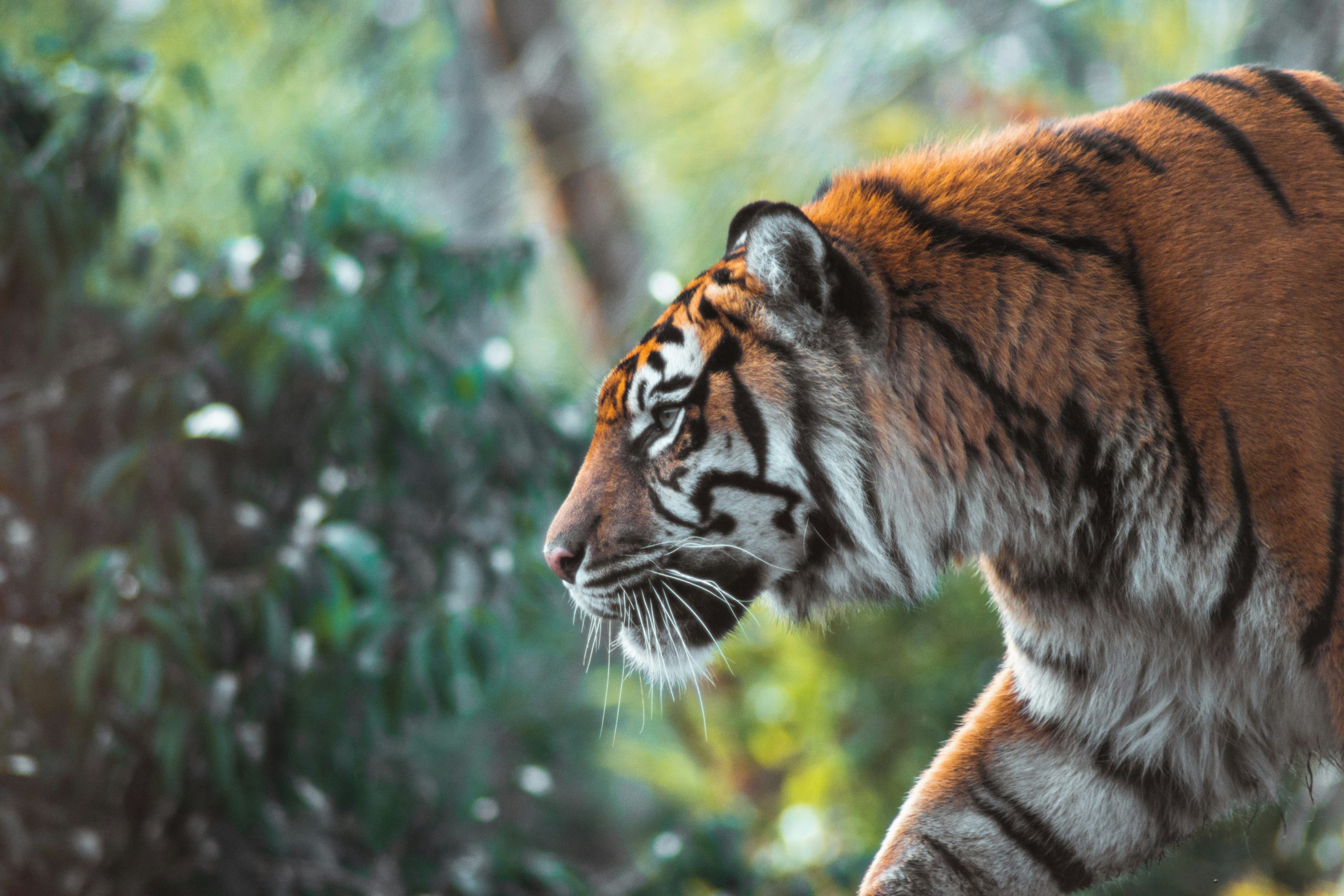
Kuno National Park
Bandhavgarh Online Safari Booking Tariff & Other Details
| Weekdays - Core | INR 8500/Jeep (Indian) | INR 13500/Jeep (Foreigner) | Core - Tala, Magadhi, Khitauli |
| Weekends - Core | INR 9500/Jeep (Indian) | INR 15000/Jeep (Foreigner) | Zones - Tala, Magadhi, Khitauli |
| Weekdays - Buffer Zones | INR 8000/Jeep (Indian) | INR 12000/Jeep (Foreigner) | Buffer - Dhamokar, Johila, Panpatha |
| Weekdays - Buffer Zones | INR 8000/Jeep (Indian) | INR 12000/Jeep (Foreigner) | Buffer - Dhamokar, Johila, Panpatha |
| 1 Oct to 31 Dec | Morning 06:00 AM to 11:30 AM | Evening 2:30 PM to 06:00 PM |
| 1 April to 30 June | Morning 06:00 AM to 11:30 AM | Evening 4:00 PM to 07:00 PM |
| Maximum 6 Persons & 2 children (b/w - 5 years) are allowed in ONE Jeep | |
Kuno National Park
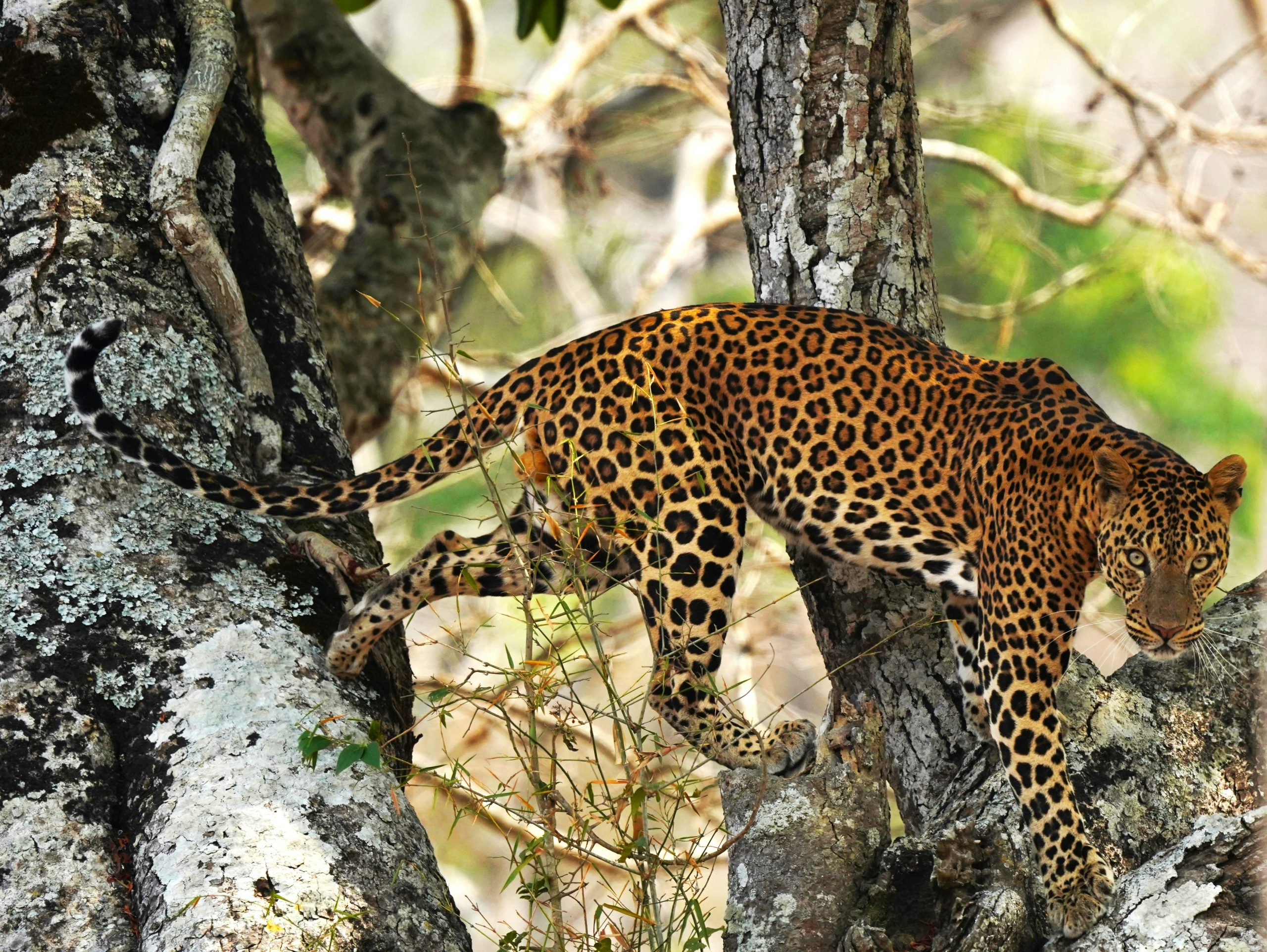
Kuno National Park is one of India’s most important and emerging wildlife reserves, located in the Sheopur district of Madhya Pradesh. The park gained international recognition as the first home of the reintroduced African cheetahs in India. Characterized by dry deciduous forests, grasslands, and the Kuno River, the park supports a rich variety of wildlife including leopards, deer, wolves, and diverse birdlife. Kuno also has historical and cultural roots, with several forest villages relocated to support large-scale wildlife conservation.
About Kuno National Park
Kuno National Park is one of India’s most significant and rapidly emerging wildlife destinations, located in the Sheopur district of Madhya Pradesh. Spread across a vast landscape of dry deciduous forests, open grasslands, riverine belts, and gentle hills, the park represents a crucial conservation stronghold in central India.
The park gained international recognition with the historic reintroduction of African cheetahs, making Kuno the first location in India to host cheetahs after their extinction in the country more than seven decades ago. This ambitious conservation initiative marked a major milestone in global wildlife restoration efforts and highlighted India’s renewed commitment to reviving lost species through science-based conservation planning.
Kuno National Park – Tour Packages

Kuno Fun Tour with One Jeep Safari
Explore the wilderness of Kuno National Park with a guided jeep safari through grasslands and dry deciduous forests, home to cheetahs and diverse wildlife.

Kuno Wildlife Adventure with Two Jeep Safaris
Two exciting jeep safaris across Kuno’s vast landscape offer excellent opportunities to spot cheetahs, leopards, deer, and rich birdlife.

Kuno Holiday Tour with Three Jeep Safaris
A deeper exploration of Kuno National Park with multiple jeep safaris, ideal for travelers seeking a unique and emerging wildlife destination.
History of Kuno National Park
The history of Kuno National Park is deeply connected with large-scale wildlife conservation and habitat restoration in India. Long before gaining global attention, the Kuno region was a vast forested landscape inhabited by tribal communities and diverse wildlife.
Ancient & Tribal Roots
The forests of Kuno were traditionally inhabited by tribal communities who lived in harmony with nature. These communities relied on the forest for livelihood and practiced sustainable use of natural resources.
Forest & Conservation Planning
In the late 20th century, Kuno was identified as a potential habitat for large carnivore conservation. Several villages were voluntarily relocated to create an extensive, undisturbed forest landscape capable of supporting large species.
Transition to a Protected Area
Kuno was declared a Wildlife Sanctuary in 1981 and later upgraded to a National Park in 2018. The park gained international recognition with the historic reintroduction of African cheetahs, marking a landmark moment in India’s conservation efforts.
Conservation & Present Day
Today, Kuno National Park represents a new chapter in wildlife conservation. With cheetahs, leopards, deer, and rich biodiversity, Kuno stands as a symbol of ecological restoration and future-focused conservation.
Types of Safari in Kuno National Park
Kuno National Park offers safari experiences focused on large landscape exploration and conservation-based tourism. The park’s vast grasslands and dry deciduous forests provide a unique wildlife viewing experience.
Jeep Safari
Jeep safaris are the main way to explore Kuno National Park. Conducted in open 4×4 vehicles, these safaris take visitors through core forest areas and grasslands. Jeep safaris offer chances to spot cheetahs, leopards, hyenas, wolves, deer species, and diverse birdlife. Safaris are conducted in morning and evening slots.
Nature Walk & Interpretation Trails
Guided nature walks are conducted in selected buffer areas and interpretation zones. These walks focus on understanding the park’s ecology, conservation efforts, plant species, and animal tracking signs, offering an educational and immersive experience.
Bird Watching Safari
Kuno’s riverine areas and grasslands are ideal for birdwatching. Dedicated birding safaris allow visitors to observe migratory and resident birds, especially during winter months.
Night Safari (Buffer Zone – Limited)
Night safaris may be conducted in permitted buffer areas, subject to forest department approval. These safaris allow visitors to observe nocturnal species such as foxes, jackals, owls, and small carnivores.
Bandhavgarh Online Safari Booking Tariff & Other Details
| Weekdays - Core | INR 8500/Jeep (Indian) | INR 13500/Jeep (Foreigner) | Core - Tala, Magadhi, Khitauli |
| Weekends - Core | INR 9500/Jeep (Indian) | INR 15000/Jeep (Foreigner) | Zones - Tala, Magadhi, Khitauli |
| Weekdays - Buffer Zones | INR 8000/Jeep (Indian) | INR 12000/Jeep (Foreigner) | Buffer - Dhamokar, Johila, Panpatha |
| Weekdays - Buffer Zones | INR 8000/Jeep (Indian) | INR 12000/Jeep (Foreigner) | Buffer - Dhamokar, Johila, Panpatha |
| 1 Oct to 31 Dec | Morning 06:00 AM to 11:30 AM | Evening 2:30 PM to 06:00 PM |
| 1 April to 30 June | Morning 06:00 AM to 11:30 AM | Evening 4:00 PM to 07:00 PM |
| Maximum 6 Persons & 2 children (b/w - 5 years) are allowed in ONE Jeep | |